

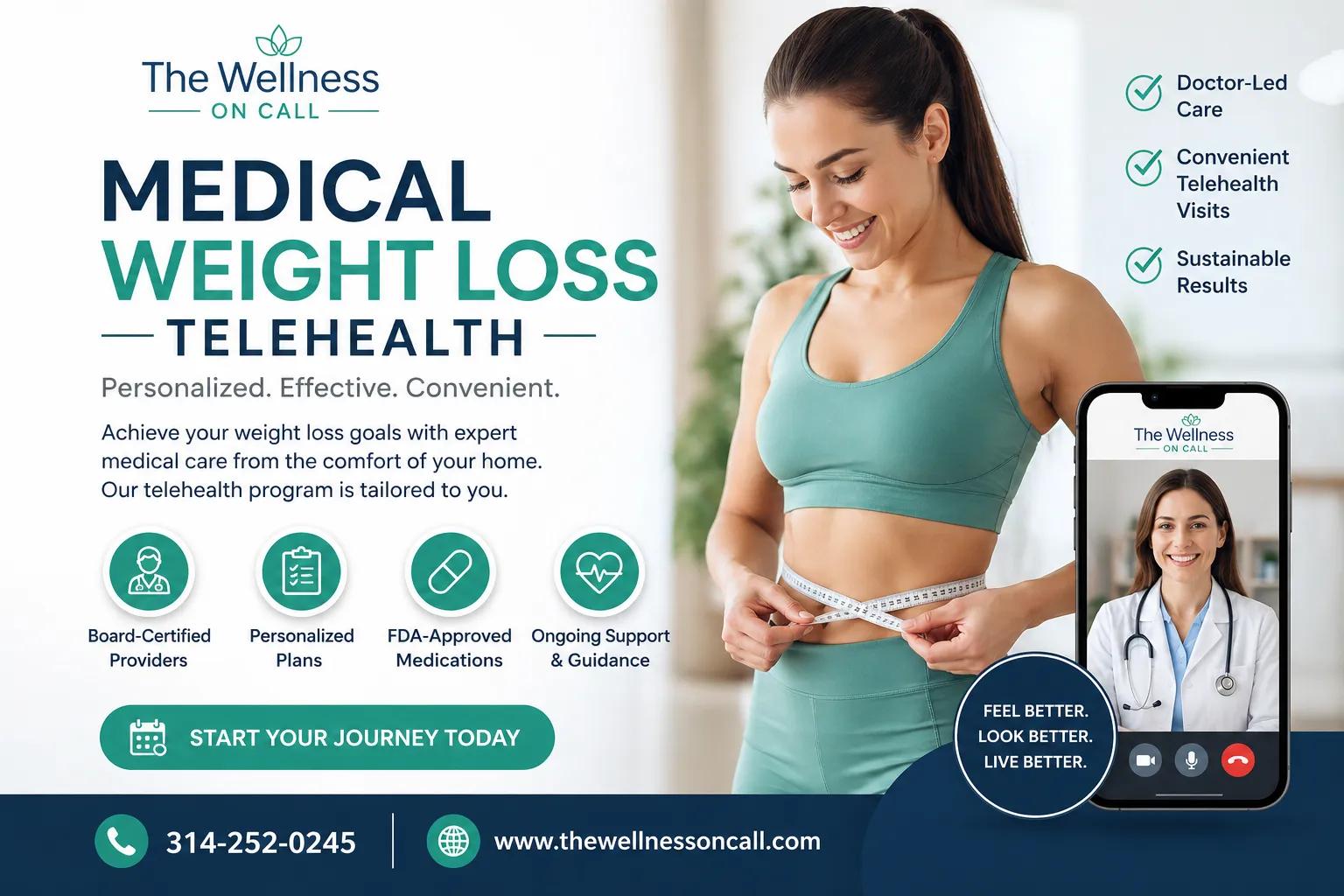
Health goals have started shifting toward flexible and personalized solutions. Traditional clinic visits often feel time-consuming, structured, and difficult to maintain alongside daily responsibilities. This is where an online weight management program. begins to reshape how you approach long-term health. Instead of fixed appointments and rigid plans, you gain access to guided support that fits into your routine.
The idea may sound simple, yet the structure behind it is more advanced than expected. These programs combine digital tracking, professional guidance, and behavioral strategies into one system. Understanding how they function reveals why more individuals now prefer virtual care models for sustainable weight management.
A Structured Digital Health System
A virtual program is not just an app or a diet plan. It functions as a complete health system designed to monitor progress, adjust strategies, and provide continuous guidance. You typically begin with an assessment that evaluates lifestyle habits, nutrition patterns, and medical background.
This information helps create a personalized plan that evolves over time. Many platforms integrate tracking tools for food intake, physical activity, and sleep patterns. Some programs also connect with wearable devices, allowing real-time data analysis. These insights help refine your progress without requiring frequent in-person consultations.
Personalized Medical Guidance Remotely
One key feature of virtual programs is access to professional support without physical visits. Licensed providers review your progress and make recommendations based on your health profile. This approach ensures your plan remains safe and effective over time.
In certain cases, services such as medical weight loss telehealth allow you to consult healthcare professionals through video or messaging platforms. This level of accessibility makes it easier to address concerns quickly. Instead of waiting weeks for appointments, adjustments can happen in real time, improving consistency and results.
Integration of Prescription and Treatment Support
Some programs extend beyond lifestyle coaching and include medical support when necessary. This may involve supervised prescriptions designed to complement your weight management plan. Digital healthcare systems make it possible to manage these elements efficiently.
For example, services offering online prescription refill in Missouri demonstrate how medication management integrates into virtual care. You receive timely access to prescribed treatments without visiting a physical clinic. This seamless process reduces delays and supports adherence to your overall health strategy.
Behavioral Coaching and Habit Formation
Weight management is not only about calories or exercise. Long-term success depends on behavioral patterns and daily habits. Virtual programs often include coaching elements that focus on mindset, routine building, and emotional triggers related to eating.
You may engage in guided sessions that help identify habits influencing weight changes. These sessions often include goal setting, progress tracking, and feedback loops. Over time, these strategies help you build sustainable routines rather than temporary fixes. Behavioral support becomes a central component of long-term success.
Flexibility That Fits Your Lifestyle
One major advantage of virtual programs is flexibility. Traditional systems require you to adjust your schedule around appointments. Virtual platforms reverse this structure by adapting to your availability.
You can track meals, attend consultations, and review progress at times that suit your routine. This flexibility reduces interruptions to work and personal commitments. Many individuals find it easier to stay consistent when health management fits naturally into daily life rather than disrupting it.
Continuous Monitoring and Real-Time Feedback
Consistency plays a critical role in achieving health goals. Virtual programs provide ongoing monitoring that helps maintain accountability. Instead of relying on occasional check-ins, your progress is tracked continuously.
Data collected through apps and devices allows providers to analyze trends and make timely adjustments. If progress slows or challenges arise, changes can be implemented quickly. This proactive approach improves outcomes by addressing issues before they become setbacks.
Technology-Driven Precision
Modern virtual programs rely heavily on technology to deliver accurate and personalized results. Algorithms analyze patterns in your behavior, helping identify what works best for your body. This data-driven approach reduces guesswork and enhances efficiency.
Technology also improves communication between you and your provider. Messaging systems, progress dashboards, and automated reminders create a structured environment that supports consistency. Over time, these tools help maintain motivation and engagement.
Cost Efficiency and Accessibility
Virtual weight management programs often reduce costs associated with travel, clinic visits, and time off work. By eliminating these factors, they make healthcare more accessible to a wider range of individuals.
Accessibility also improves because location becomes less important. Whether you live in a busy city or a remote area, you can access professional guidance through digital platforms. This reach ensures that more individuals can receive support without geographical limitations.
A Shift Toward Preventive Healthcare
Virtual programs represent a broader shift in healthcare toward prevention rather than reaction. Instead of addressing weight-related issues after they develop, these programs focus on early intervention and consistent management.
Regular monitoring helps identify patterns that may lead to health concerns. By addressing these patterns early, you reduce the risk of long-term complications. This proactive approach aligns with modern healthcare trends that emphasize sustainability and long-term well-being.
Conclusion
Health management is evolving into a more flexible, technology-driven process. An online weight management program. offers a structured yet adaptable approach that combines medical guidance, behavioral coaching, and real-time monitoring. Instead of relying on occasional clinic visits, you gain continuous support that fits seamlessly into your routine.
This model transforms weight management from a short-term effort into a long-term system. With consistent tracking, personalized adjustments, and accessible care, virtual programs provide a practical path toward sustainable health goals.